

Poultry farming is One of the growing agricultural sectors . Broiler chickens for meat and layer chickens for egg production , maintaining flock health is essential for profitability . Diseases can reduce growth, lower egg production, increase mortality, and lead to significant financial losses.
Today we explains the most common poultry diseases affecting both broilers and layers, their symptoms, prevention methods, and general treatment principles.
Preventing disease is more effective and economical than treating sick birds. A healthy flock grows faster, produces more eggs, requires fewer medications, and delivers better overall performance.
1. Newcastle Disease (ND)
Cause
Newcastle Disease is caused by a highly contagious virus that spreads rapidly through infected birds, contaminated equipment, feed, water, and people.
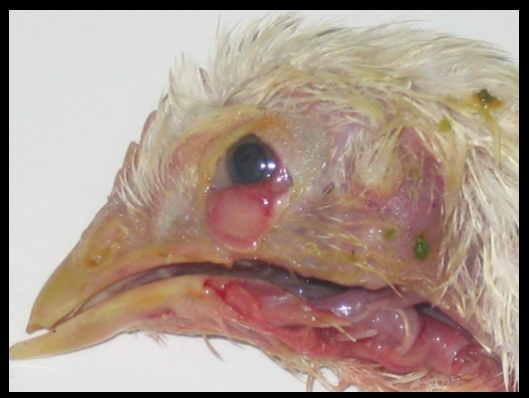
Symptoms
- Sudden death
- Twisted neck (torticollis)
- Greenish diarrhea
- Coughing and sneezing
- Difficulty breathing
- Paralysis
- Sharp drop in egg production
Prevention
- Follow a proper vaccination schedule.
- Restrict visitors and maintain farm biosecurity.
- Disinfect poultry houses regularly.
- Isolate newly introduced birds.
Treatment
There is no specific treatment for Newcastle Disease because it is viral. Provide supportive care, maintain hydration, reduce stress, and consult a veterinarian immediately.
2. Infectious Bursal Disease (Gumboro)
Cause
A viral disease that mainly affects young chickens and damages the immune system.
Symptoms
- Depression
- White watery diarrhea
- Ruffled feathers
- Loss of appetite
- Increased mortality
Prevention
- Vaccinate chicks according to local veterinary recommendations.
- Maintain strict hygiene.
- Avoid overcrowding.
Treatment
There is no cure. Supportive care, clean water, proper nutrition, and veterinary advice are essential.
3. Coccidiosis
Cause
A parasitic disease caused by Eimeria species.
Symptoms
- Bloody or watery diarrhea
- Weight loss
- Poor growth
- Weakness
- Reduced feed intake
Prevention
- Keep litter dry.
- Maintain proper sanitation.
- Use approved anticoccidial programs where appropriate.
- Prevent overcrowding.
Treatment
appropriate anticoccidial medication based on diagnosis. Always follow veterinary instructions and label directions.
4. Infectious Bronchitis (IB)
Cause
A contagious viral respiratory disease.
Symptoms
- Sneezing
- Coughing
- Nasal discharge
- Difficulty breathing
- Reduced egg production
- Thin or misshapen eggs
Prevention
- Vaccination
- Good ventilation
- Biosecurity measures
Treatment
There is no specific antiviral treatment. Supportive care and management of secondary bacterial infections under veterinary supervision may be required.
5. Fowl Pox
Cause
A viral disease spread by mosquitoes and direct contact.
Symptoms
- Wart-like scabs on comb, wattles, and eyelids
- Mouth lesions
- Difficulty eating
- Reduced production
Prevention
- Vaccinate where recommended.
- Control mosquitoes.
- Improve farm hygiene.
Treatment
No specific antiviral treatment exists. Supportive care and proper wound management can help affected birds recover.
6. Chronic Respiratory Disease (CRD)
Cause
Often associated with Mycoplasma gallisepticum.
Symptoms
- Sneezing
- Swollen eyes
- Nasal discharge
- Slow growth
- Poor feed conversion
Prevention
- Purchase healthy chicks from reputable hatcheries.
- Maintain good ventilation.
- Reduce dust and ammonia.
- Practice strict biosecurity.
Treatment
A veterinarian can diagnose CRD and prescribe appropriate medication when necessary.
7. Fowl Cholera
Cause
A bacterial disease caused by Pasteurella multocida.
Symptoms
- Sudden death
- Fever
- Swollen wattles
- Nasal discharge
- Diarrhea
Prevention
- Vaccination where recommended.
- Rodent control.
- Good sanitation.
Treatment
Prompt veterinary diagnosis is important. Appropriate antibiotics should only be used under veterinary guidance.
8. Salmonellosis
Cause
Bacteria belonging to the Salmonella group.
Symptoms
- Weak chicks
- Diarrhea
- Reduced growth
- Increased mortality
Prevention
- Buy chicks from certified hatcheries.
- Keep feed and water clean.
- Control rodents.
- Maintain excellent hygiene.
Treatment
Diagnosis should be confirmed by a veterinarian. Treatment depends on the bacterial strain and local antimicrobial resistance patterns.
General Disease Prevention Tips
- Follow a complete vaccination schedule.
- Provide clean drinking water at all times.
- Feed a balanced, high-quality diet.
- Maintain dry, clean litter.
- Ensure proper ventilation.
- Avoid overcrowding.
- Quarantine new birds before mixing them with the flock.
- Disinfect equipment regularly.
- Control rodents, insects, and wild birds.
- Remove dead birds immediately and dispose of them safely.
Seek veterinary assistance immediately if you notice:
- Sudden deaths
- Severe respiratory distress
- Bloody diarrhea
- Nervous signs such as paralysis or twisted neck
- Rapid disease spread through the flock
- Significant drops in feed intake or egg production
Early diagnosis can help reduce losses and prevent disease from spreading.
Conclusion
Healthy poultry production depends on strong biosecurity, proper nutrition, regular vaccination, and early disease detection. Many common poultry diseases cannot be cured once birds are infected, making prevention the most effective strategy. Farmers who maintain clean housing, provide quality feed and water, and work closely with veterinarians are more likely to achieve better growth, improved egg production, and higher profits.
Disclaimer: This article is intended for educational purposes only. Poultry diseases may have similar symptoms but require different treatments. Always obtain an accurate diagnosis and consult a qualified veterinarian before using any medication or vaccine.