

Commercial layer farming specifically for egg production is one of the most reliable and lucrative ventures in agribusiness . Eggs are a good source of protein . worldwide eggs demand increase day by day . However, turning a layer farm into a consistently profitable business requires strategic planning , strict management and operational efficiency.
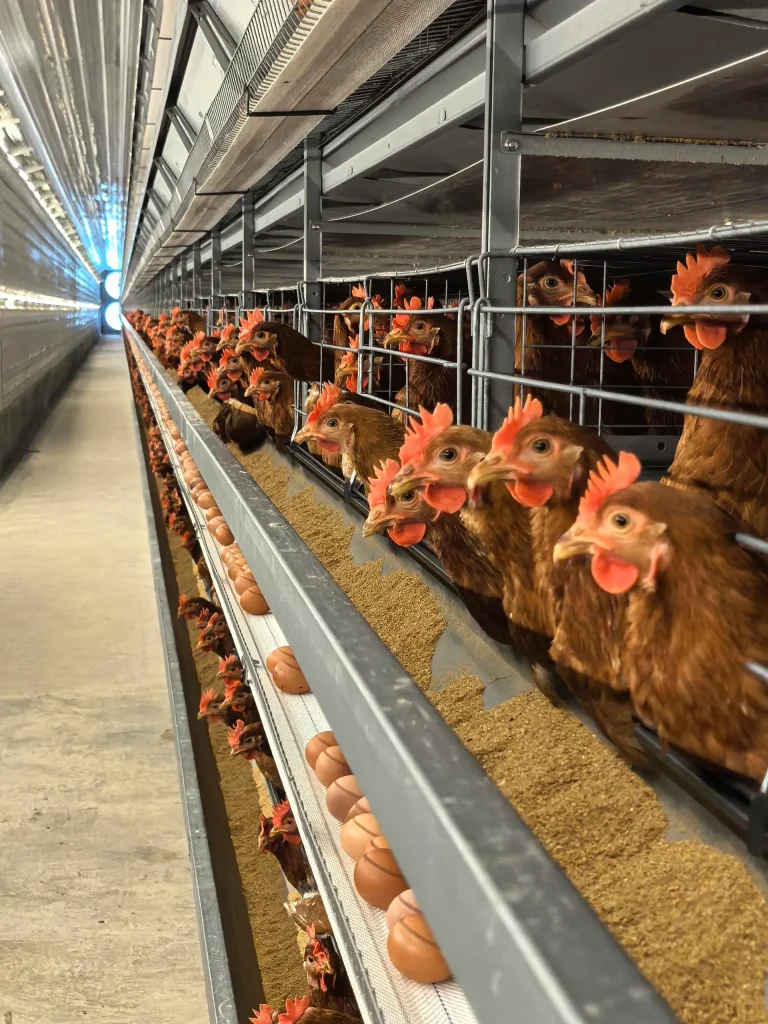
1. A Realistic Business Plan and Budget
Before buying chicks map out your fixed and variable costs. Feed typically accounts for 65% to 70% of total operating expenses. Calculate your initial capital for infrastructure (housing, feeders, drinkers), stock acquisition, feed reserves, healthcare, and labor against your projected timeline to peak egg production (around 20–22 weeks of age).
Initial investment
Illustrative 2026 Bangladesh budget; actual prices vary by location, breed, cage system and supplier.
| Item | Estimated cost |
|---|---|
| 5,000 ready-to-lay pullets | Tk 15–20 lakh |
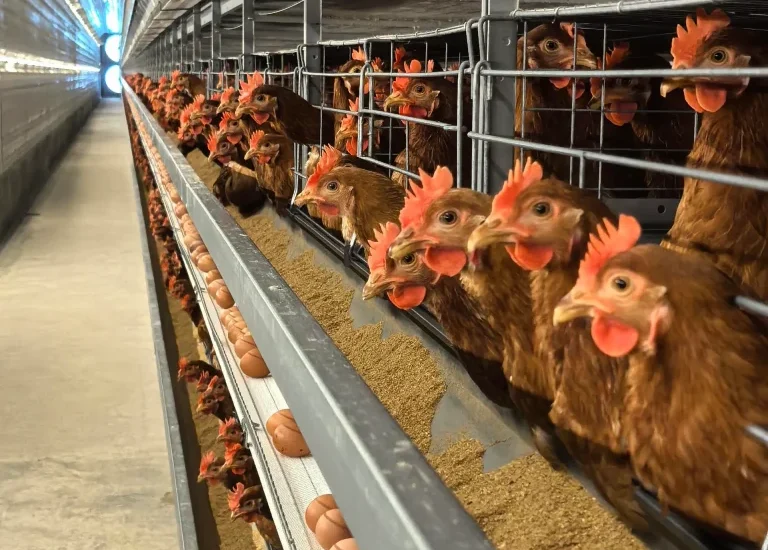
| Layer cages | Tk 7–10 lakh |
| Poultry shed | Tk 8–12 lakh |
| Electrical/water/lighting | Tk 1.5–2.5 lakh |
| Feed storage/equipment | Tk 1–1.5 lakh |
| Drinkers/feeders/equipment | Tk 1–1.5 lakh |
| Biosecurity/fencing/drainage | Tk 1–2 lakh |
| Initial medicines/vaccination | Tk 0.5–1 lakh |
| Working-capital reserve | Tk 5–8 lakh |
| Approx. total | Tk 40–58 lakh |
Land is excluded. If you already own suitable land, the project becomes substantially easier financially.
I would not spend the entire capital on the shed and birds. Keep at least 15–20% as working capital because egg prices can suddenly fall.
2. Choose the Right Layer Breed
Not all egg-laying breeds perform the same under various climate conditions and management systems. Choose high-yielding commercial hybrid breeds tailored to your market:
- Brown Egg Layers (e.g., Hy-Line Brown, Lohmann Brown, ISA Brown): Popular for local markets where brown eggs command higher prices, hardy, and high producers (~300–320 eggs per year).
- White Egg Layers (e.g., Leghorn hybrids): Higher feed efficiency and exceptional laying capacity, though white eggs may face regional consumer preferences.
3. Strategic Location and Build Proper Housing
Situate your farm in a well-drained area with access to clean water, electricity, and reliable transportation routes to market. Proper housing design must ensure:
- Ventilation: Good airflow to clear ammonia gas and regulate humidity.
- Temperature Control: Ideal ambient temperature for laying hens is 18°C to 24°C (65°F to 75°F). Extreme heat drastically reduces egg laying and shell thickness.
- Space Allowance: Provide adequate room per bird (e.g., 1.5 to 2 sq. ft. per bird in deep litter, or proper cage dimensions in battery/cageless systems) to prevent stress and cannibalism.
4. Source Healthy Day-Old Chicks or Quality Pullets
Your farm’s productivity hinges on genetics and early rearing. You have two main choices:
- Day-Old Chicks (DOCs): Lower upfront cost, but requires 18–20 weeks of brooding and rearing expenses before seeing returns.
- Point-of-Lay (POL) Pullets (16–18 weeks old): Higher upfront investment, but reduces rearing risk and delivers cash flow within a few weeks. Always buy from certified, reputable hatcheries with documented vaccination records.
5.Feed Management and Nutrition
Layer hens require specific nutrition across different production phases (Starter, Grower, Layer Phase 1, Layer Phase 2).
- Ensure layer feed contains 16%–18% crude protein and adequate calcium (3.5%–4.0%) for strong eggshells.
- Deficiencies in calcium or Vitamin D3 lead to soft-shelled eggs, egg eating, and bone weakness (cage fatigue).
- Avoid feed wastage by using well-designed troughs filled to no more than one-third full.
6. Enforce Strict Biosecurity and Vaccination
Disease outbreaks can eradicate an entire flock in days. Maintain a bio-secure perimeter by following three principles:
- Isolation: Keep wild birds, rodents, and unauthorized visitors off the premises.
- Traffic Control: Disinfect vehicle tires and footwear (footbaths with iodine or quaternary ammonium) at all entry points.
- Vaccination Schedule: Strictly adhere to local veterinary guidelines for Newcastle Disease, Infectious Bronchitis, Marek’s Disease, and Fowl Pox.
7. Optimize Lighting Programs
Light stimulates the pituitary gland to release hormones necessary for egg production.
- Rearing Phase: Maintain controlled, natural day lengths to prevent precocious (too early) laying, which produces small eggs and prolapse.
- Laying Phase: Provide 16 hours of light per day (combining natural daylight with artificial lighting). Never decrease light duration during active laying, as this signals hens to enter molt and stop laying.
8. Implement Efficient Egg Handling and Storage
Egg quality degrades rapidly if left exposed to high heat or dirty conditions.
- Collect eggs at least 2 to 3 times daily (more frequently during summer).
- Store eggs in a cool, well-ventilated room (13°C–15°C / 55°F–60°F) with 75% relative humidity.
- Store eggs point-down (air cell at the top) to maintain internal freshness and shell integrity.
9. Monitor Flock Performance with Detailed Records
Data drives profitability in commercial poultry. Track the following metrics daily:
- Hen-Day Egg Production (HDP %): Total eggs produced divided by total live hens $\times$ 100. Aim for peak production around 90–95%.
- Feed Conversion Ratio (FCR): Weight of feed consumed per dozen eggs produced.
- Mortality Rate: Keep cumulative rearing mortality under 3–5%.
- Daily feed and water intake logs help detect health issues days before physical symptoms appear.
10. Diversify Revenue and Direct Market
Maximize revenue by looking beyond raw egg sales:
- Direct Marketing: Sell directly to supermarkets, bakeries, hotels, and retail consumers to eliminate middleman margins.
- Spent Hen Sales: Sell spent layers (at 72–80 weeks when production drops below 65–70%) for meat processing.
- Manure Monetization: Composting poultry litter creates a valuable high-nitrogen organic fertilizer for crop farmers, turning waste into a secondary income stream.